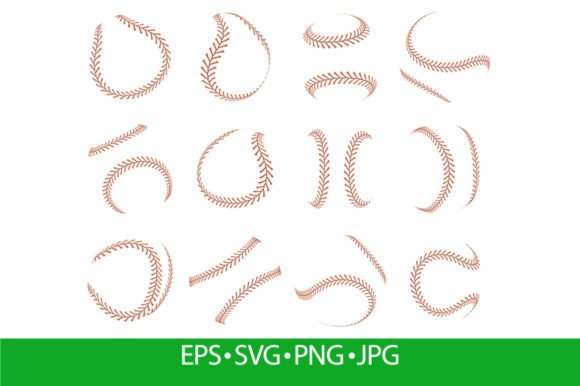
Decoding the Classic Appeal of Baseball and Softball Stitches
There is something inherently nostalgic and energetic about the visual language of sports. In design, few elements capture that specific mix of tradition and excitement quite like the distinct pattern of a baseball or softball seam. When you look at a Sport Ball Red Decorative Thread Laces illustration set, you aren't just seeing a vector file; you are looking at a piece of Americana that can inject immediate personality into a project. This style isn't just for sports teams anymore. It has evolved into a versatile design asset for entrepreneurs, crafters, and marketers looking to add a tactile, handcrafted feel to their digital and print work.
The Anatomy of the Seam: Visual Characteristics and Personality
Understanding the appeal of these Baseball, Softball Stitches starts with analyzing the line work. Unlike a standard sans serif font or a geometric shape, these stitches mimic the organic tension of a pulled thread. The visual characteristics usually feature a bold, red "lace" that curves in an S-pattern, punctuated by white or light-colored crossing points that mimic the actual sewing of a ball's leather covering.
This design element carries a specific personality: it is rugged yet playful, structured yet imperfect. It bridges the gap between a handwritten font aesthetic and industrial precision. For designers working on brand identity, this texture offers a break from the sterility of modern minimalism. It suggests craftsmanship and durability. Whether you are using a full vector illustration of a ball or isolating the lace path as a decorative border, the style communicates authenticity. It feels like a premium font alternative because it implies that time and care were taken in its creation, much like the hand-stitching of a vintage glove.
Strategic Applications: Where This Style Shines
The versatility of Sport Ball Red Laces extends far beyond the diamond. In editorial design and packaging design, these elements work incredibly well as dividers, border treatments, or background textures. Imagine a craft brewery using a subtle stitch texture on their labels to suggest "handmade" quality, or a food brand using the red lace curve to underline a headline about "homestyle" ingredients. It is a powerful tool in the arsenal of creative font usage, serving as a visual metaphor for connection and holding things together.
For the digital space, specifically web design and social media graphics, these vectors offer high engagement potential. They are excellent for creating eye-catching "swipe up" arrows or framing special announcements. Because the files often come in EPS, SVG, PNG, and JPG formats, they are scalable for everything from a small favicon to a large-format print banner. Small business owners can use these elements to create a cohesive look across platforms. For instance, a fitness apparel brand might use the softball stitch laces elements to highlight key features in an infographic, tying the visual language of sport directly to the concept of performance and endurance.
Technical Execution: Readability and Integration
When incorporating Baseball, Softball Stitches, Sport Ball elements into a layout, the primary concern is visual hierarchy. Because these stitches are inherently bold and textured, they can easily overwhelm a design if not handled with care. If you are using the red lace path as a decorative underline for text, ensure there is enough contrast and spacing so the legibility of the typeface remains high. This is particularly true when pairing with a serif font or a delicate script font; the weight of the stitch might need to be adjusted to match the x-height and stroke width of your typography.
Consider the "path of sewing" as a directional tool. The curve of a stitch naturally draws the eye. You can use this to guide a viewer’s gaze from a logo to a call-to-action button. However, be careful not to create a "busy" layout. If your background texture is a dense pattern of stitches, your foreground text—whether it is a sans serif font or a display font—needs to be solid and substantial to stand on its own. The goal is to let the stitch elements complement the message, not compete with it.
Practical Guidance for Designers and Creators
For those looking to integrate these assets into their workflow, here are a few practical recommendations for maximizing the value of these design assets:
- Evaluating Project Fit: These elements work best for brands that want to convey energy, tradition, or a "DIY" spirit. They are perfect for sports leagues, vintage-style branding, outdoor recreation, and even educational materials that need a playful touch. They might feel out of place in ultra-corporate or strictly luxury contexts.
- Testing Font Pairings: The rugged texture of the stitches pairs surprisingly well with clean, geometric sans serif fonts. The contrast between the organic curve of the lace and the rigid structure of modern typography creates a dynamic tension. Alternatively, pairing them with a bold slab serif can amplify the vintage sports vibe.
- Working with Vector Formats: If you have access to the EPS or SVG versions, you have full control over the "seam." You can change the color from classic red to match a specific brand palette, or even adjust the stroke width to make the lace look like a thick rope or a thin thread. This flexibility is crucial for logo design where color matching is non-negotiable.
- Licensing and Usage: Always verify the license of your vector sets. If you are creating merchandise for sale—such as t-shirts, mugs, or stickers—ensure the license covers commercial use. Most commercial font and asset licenses are clear on this, but it is a step many hobbyists forget, leading to headaches down the road.
Stitching It All Together
Ultimately, the enduring popularity of Baseball, Softball Stitches, Sport Ball imagery lies in its ability to tell a story instantly. It bypasses the need for lengthy explanations, communicating concepts like "game time," "craftsmanship," and "teamwork" through visual shorthand. For the modern designer, these aren't just decorative elements; they are strategic tools. By using the softball stitch laces thoughtfully, you can create designs that feel grounded, energetic, and deeply connected to a rich cultural history. Whether you are building a brand identity for a local sports club or designing packaging for a new energy bar, the classic red lace remains a timeless asset in the creative toolkit.